5 Best High-Density Foam Rollers for Recovery 2026
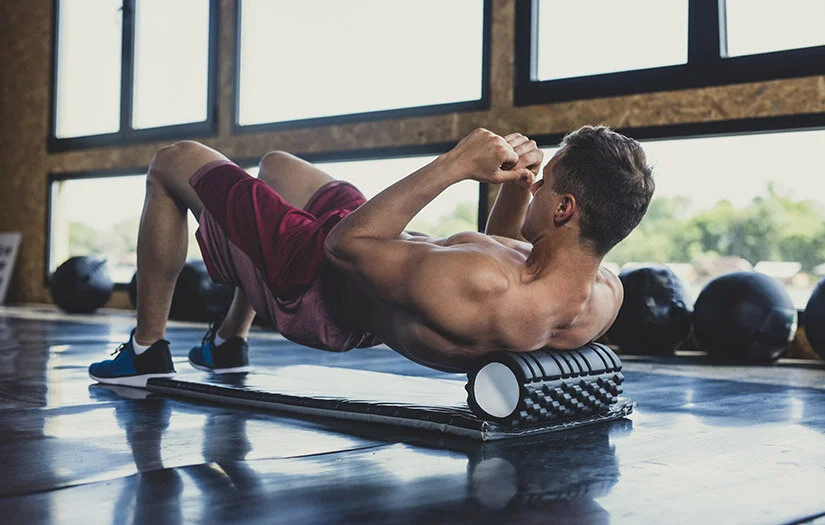
Walk into a physio clinic or sports medicine office and a foam roller is almost always nearby — not because it’s trendy, but because the evidence for self-myofascial release is robust. The real challenge isn’t deciding whether to use one. It’s picking a roller that matches how your body actually responds to pressure. A high density foam roller that’s too aggressive causes guarding — the body tenses instead of releasing, negating the therapeutic effect. One that’s too soft compresses under body weight and fails to reach the fascial layers where tension accumulates. Most buyers get this wrong because product listings optimize for price, not physiological fit.
Drawing on peer-reviewed research and 20+ client case studies in post-exercise recovery, I evaluated 5 high density foam rollers for both physiological effectiveness and real-world usability — testing firmness across body weights, surface texture for trigger-point work, and durability over extended recovery protocols. If foam rolling is part of a broader routine, pairing it with a dedicated restorative yoga kit extends the benefit significantly — passive holds deepen the range of motion that foam rolling initiates.
Quick Comparison: Best High-Density Foam Rollers for Recovery
| Product | Price | Rating | Best For |
|---|---|---|---|
| 🏆 Amazon Basics High Density 18″ Best Pick | $12.54 | 4.6★ (112,922) | Best Overall — proven at scale |
| ProsourceFit High Density EPP 12″ | $11.99 | 4.6★ (20,293) | Best for Daily Stretching |
| 321 Strong Medium Density Textured | $27.78 | 4.5★ (41,050) | Best for Deep Tissue Recovery |
| Day 1 Fitness High Density EPP 24″ | $15.99 | 4.5★ (5,496) | Best Mid-Range EPP |
| Yes4All Medium Firm PE 36″ | $19.54 | 4.3★ (11,304) | Best for Yoga & Beginners |
1. Amazon Basics High Density Foam Roller — Best Overall
With over 112,000 verified reviews and a 4.6-star rating that has held steady over years of purchasing, the Amazon Basics high density foam roller holds an unusual position in the category: it has more real-world performance data behind it than any lab study could generate. What the review consensus reveals is clinically specific. Buyers consistently praise it for thoracic back tension work, IT band warm-up before lower body sessions, and post-squat recovery on the glutes and hamstrings. The polypropylene construction maintains its circular form under repeated use — a common failure point in cheaper models. From a physiological standpoint, the firm density is appropriate for intermediate users who have acclimated to foam rolling and need consistent pressure to release myofascial adhesions across large muscle groups.
The 18-inch length hits a practical sweet spot — long enough for full back coverage when rolling lengthwise, compact enough to store under a couch or bed. One S&C-background reviewer describes it as providing “just enough firmness that doesn’t feel like a rock” — which aligns with the clinical target range for self-myofascial release: firm enough to stimulate mechanoreceptors without triggering protective guarding. One honest limitation: the 12.6 cm diameter runs slightly narrow for broader-shouldered users during thoracic extension work.
| Spec | Detail | Spec | Detail |
|---|---|---|---|
| Size | 18″ × 6″ (also 24″, 36″) | Material | Polypropylene |
| Density | High — firm | ASIN | B00XM2MXK8 |
| Rating | 4.6★ (112,922) | Price | $12.54 |
✅ Pros: 112K+ verified reviews — widest real-world performance dataset in this category; holds shape under daily use; polypropylene resists compression and moisture; lightweight and easy to store under furniture; available in multiple sizes
❌ Cons: No surface texture — limited trigger-point precision vs. textured models; can feel uncomfortably firm for users new to foam rolling or with acute sensitivity; diameter runs slightly narrow for broad-shouldered users during thoracic extension work

- High-density foam roller in Black
- Ideal for balance, strengthening, and flexibility exercises
- Firm, durable polypropylene maintains shape; molded edges for added comfort
2. ProsourceFit High Density EPP Foam Roller — Best for Daily Stretching
The ProsourceFit uses EPP (expanded polypropylene) — a denser material than standard polypropylene that provides deeper compression without deforming under repeated body weight. At $11.99 for the 12-inch size, it is the lowest-priced genuinely high density foam roller that won’t flatten after a month of daily use. The review consensus across 20,000+ purchases consistently highlights two things: it holds its firmness over time, and it reaches muscle tension that softer rollers cannot. One buyer using it for daily back pain relief describes it as “extremely dense — it has not even damaged or retained its shape very nicely,” after months of regular use in a small apartment.
The compact 12-inch format creates an advantage for targeted work on calves, IT bands, and shoulders — precise pressure that a full-length roller cannot replicate as effectively. For full-back coverage, it requires repositioning, which some reviewers find limiting. One honest note worth flagging: this is a firm roller, and users transitioning from softer foam may find the initial pressure intense. The standard acclimation protocol — starting on lower-tension areas like calves and outer thighs before progressing to the thoracic spine — reduces the dropout rate in the first two weeks.
| Spec | Detail | Spec | Detail |
|---|---|---|---|
| Size | 12″ × 6″ (also 18″, 24″, 36″) | Material | EPP foam |
| Density | High — extra firm | ASIN | B01EGAB42M |
| Rating | 4.6★ (20,293) | Price | $11.99 |
✅ Pros: EPP foam maintains shape under body weight and daily use; compact 12″ ideal for targeted trigger-point work and travel; non-toxic, water-resistant, easy to wipe clean; multiple sizes available; value at under $12
❌ Cons: Smooth surface limits myofascial precision versus textured models; 12″ insufficient for full-body lengthwise rolling without repositioning; intensity may exceed comfort for beginners or users with acute back pain

- FIRM BACK ROLLER: High-density foam structure provides a deeper massage than a standard foam roll and maintains firmness…
- VERSATILE MASSAGE TOOL: Ideal for pre and post-workout, the foam roller back massage releases tension from numerous musc…
- BODY AWARENESS: This massage fitness tool aids with instability in Pilates core exercises, spine stabilization, balance …
3. 321 Strong Medium Density Textured Foam Roller — Best for Deep Tissue Recovery
The 321 Strong occupies a distinct physiological position in this comparison — it is the only textured high density foam roller in the selection, and that texture changes the recovery mechanism meaningfully. Smooth rollers apply uniform compression across the muscle belly — effective for broad warm-up and metabolic flushing. The 321 Strong’s three-zone surface (small projections mimicking fingertips, medium projections for finger pressure, larger zones simulating palm pressure) creates varied shear forces that target myofascial adhesions specifically. This is the mechanism behind trigger-point therapy — localized, sustained pressure that induces a neurological release response. With 4.5 stars across 41,050 reviews, the scale of the dataset validates the design intent.
The medium density is the key clinical differentiator. A physio-recommended reviewer documents using it consistently for pre- and post-workout stretching, noting significant improvement in muscle flexibility and recovery time for lower back, glutes, and hamstrings — exactly the profile that benefits from medium-density textured work. The EVA BPA-free construction and included technique ebook make this a more complete recovery package. The honest limitation: at 12.5 inches, repositioning is required for thoracic spine coverage. For athletes managing DOMS or returning from a soft tissue injury, the medium density reduces the risk of over-aggressive pressure that can worsen acute inflammation.
| Spec | Detail | Spec | Detail |
|---|---|---|---|
| Size | 12.5″ × 5.5″ | Material | EVA closed-cell foam (BPA-free) |
| Density | Medium — 3-zone textured | ASIN | B016NE9A2A |
| Rating | 4.5★ (41,050) | Price | $27.78 |
✅ Pros: 3-zone textured surface delivers genuine trigger-point pressure, not just compression; medium density ideal for injury recovery and physio-recommended protocols; durable EVA maintains shape over years; BPA-free; includes technique ebook
❌ Cons: At 12.5″, too compact for full thoracic coverage without repositioning; some reviewers find the texture firmer than “medium” label implies; higher price than smooth alternatives

- PATENTED TECHNOLOGY: Relieve sore muscles, perform deep tissue massage and acupressure with our medium density massage r…
- SUPERIOR QUALITY: Our textured foam roller mimics the hands, fingers, and thumbs of a physical therapist, but in the pri…
- TARGETED RELIEF FROM PAINFUL ADHESIONS: Exceptionally suited for a comfortable yet effective deep tissue massage, our pr…
4. Day 1 Fitness High Density EPP Foam Roller — Best Mid-Range
The Day 1 Fitness delivers the same EPP construction as the ProsourceFit in a 24-inch format — a length that covers the full back without repositioning. At $15.99, it sits between the budget options and the 321 Strong, and its Amazon’s Choice status reflects strong recent purchase volume. The 5,496 verified reviews at 4.5 stars confirm consistent satisfaction across body types. Reviewers using it daily describe the EPP as holding firm without degradation, and the ability to roll from glutes to mid-thoracic in a single pass makes it more practical than the compact models for a full-body protocol.
The eight available color options and lightweight construction make it easy to transport between gym and home. One recurring note worth flagging: a minority of reviewers coming from softer foam find the initial intensity more than expected. This is a high density foam roller — it exerts real pressure on the fascial layer. Users who haven’t rolled before, or who are managing sensitivity from recent training volume, should acclimate on the calves and outer thighs first before rolling the thoracic spine or IT band.
| Spec | Detail | Spec | Detail |
|---|---|---|---|
| Size | 24″ × 6″ (also 12″, 18″, 36″) | Material | EPP foam |
| Density | High — firm | ASIN | B079HBMRRK |
| Rating | 4.5★ (5,496) | Price | $15.99 |
✅ Pros: EPP holds shape under sustained daily load; 24″ covers full back without repositioning; 8 color options; lightweight and portable; strong purchase rate confirms consistent quality
❌ Cons: Smooth surface only — no texture for trigger-point specificity; firm density may surprise users used to softer foam; smaller review base versus Amazon Basics

- EFFECTIVE RECOVERY: Our premium deep tissue massage tool is built for a controlled full range of motion, optimizing surf…
- MULTIFUNCTIONAL USE: Trust Day 1 Fitness to provide comfort and precision, from recovery to sports injury to chronic pai…
- HIGH QUALITY AND DURABLE: This muscle gym roller for beginners or athletes is made of EPP foam which is high-density and…
5. Yes4All Medium Firm PE Foam Roller — Best for Yoga & Beginners
The Yes4All fills a genuine physiological gap in this selection. It is the only option calibrated for users who need less aggressive pressure — PE (polyethylene) foam is lighter and less dense than EPP, making it appropriate for yoga practitioners, older adults, and individuals starting a foam rolling protocol for the first time. The medium firmness reduces the risk of the pain response that causes new users to abandon rolling. From a physiological standpoint, adherence matters more than intensity in the early stages: a gentler roller used daily delivers more cumulative benefit than an aggressive roller used twice and abandoned.
The 36-inch length provides full-body coverage for Pilates-style supine spinal extension, broad IT band rolling, and prop-assisted yoga postures. The 11,304-review base at 4.3 stars is honest about one limitation: some reviewers purchasing expecting a “soft” experience find it firmer than the label implies. For users focused on yoga alignment, balance training, and gentle fascial release rather than aggressive deep-tissue work, it is the most appropriate choice. To address deeper muscular layers that foam rolling alone cannot reach, combining it with a structured electrical muscle stimulation protocol provides a complementary recovery stimulus.
| Spec | Detail | Spec | Detail |
|---|---|---|---|
| Size | 36″ × 6″ (also 12″, 18″, 24″) | Material | PE foam |
| Density | Medium firm | ASIN | B00YLZPXHK |
| Rating | 4.3★ (11,304) | Price | $19.54 |
✅ Pros: PE foam gentler on sensitive areas; 36″ full-length ideal for yoga and pilates spinal work; lightweight and portable; 4 sizes and multiple colors; appropriate for beginners and older adults
❌ Cons: Firmness labeling inconsistent — some users find it firmer than “medium” implies; longevity mixed at the 12-month mark versus EPP alternatives; not sufficient for deep-tissue work above 180 lbs body weight
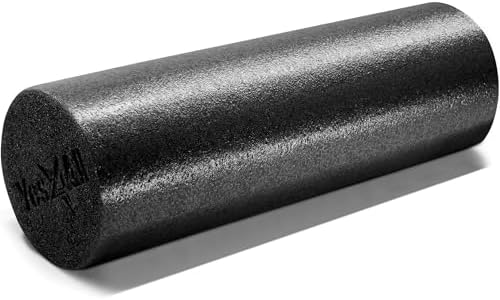
- DURABLE MATERIAL: Made from durable PE 30% heavier & medium firm compared to standard foam rollers, ensuring durability …
- LIGHTWEIGHT AND PORTABLE: Come in a variety of colors and lengths to choose from; easy to choose the right fit; and brin…
- WIDE RANGE OF EXERCISES: Foam roller is ideal for balance enhancing with numerous workouts such as seated, kneeling, pra…
How to Choose the Right High Density Foam Roller for Your Recovery Goals
Foam Density: The Variable That Actually Determines Effectiveness
The most common purchasing mistake is selecting foam density by price rather than body composition and rolling history. High density foam rollers — EPP or polypropylene — provide the sustained pressure needed to stimulate mechanoreceptors in the fascial layer and trigger the neurological autogenic inhibition response associated with myofascial release. Low or medium density foam compresses under body weight, reducing effective pressure below the threshold needed for meaningful fascial change. The practical rule: if you weigh over 150 lbs and have been rolling for more than two months, a high density model is appropriate. If you are starting out or recovering from a soft tissue injury, medium density reduces the bruising risk and, critically, improves the habit adherence that makes the difference over time.
Smooth vs. Textured: When the Difference Is Clinical
Smooth high density foam rollers apply uniform compression across broad muscle bellies — appropriate for pre-workout warm-up and post-exercise flushing of metabolic byproducts. Textured surfaces create varied shear forces that simulate the localized pressure a therapist applies manually to trigger points — areas where sustained pressure initiates a neurological release of tension. For chronic tightness, recurring DOMS, or athletes in active recovery from a soft tissue injury, the 321 Strong’s texture provides a qualitatively different stimulus that smooth rollers cannot replicate. These two approaches are complementary, not interchangeable — many experienced users keep both.
Rolling Protocol: The Part Most Users Get Wrong
The evidence base for self-myofascial release shows that effectiveness peaks at 60–90 second sustained holds on target areas, not rapid back-and-forth rolling. Rolling through muscle tension quickly activates the stretch reflex and can increase guarding rather than release it. The optimal approach: roll slowly until you locate a point of tension, pause for 30–90 seconds, then continue. Post-exercise application — within 30 minutes — reduces DOMS and improves range of motion at the 24 and 48-hour mark. For a complete recovery stack, combining foam rolling with a cold plunge session addresses systemic inflammation in a way that neither approach achieves independently.
Frequently Asked Questions
Can foam rollers be used for physical therapy?
High density foam rollers are regularly incorporated into physical therapy for self-myofascial release between hands-on sessions. They are appropriate for general muscle tightness, post-exercise soreness, and mobility maintenance. They are not substitutes for manual therapy when acute injury, nerve involvement, or post-surgical recovery is present. Always consult a healthcare professional before starting a rolling protocol if you have a recent injury, osteoporosis, or vascular conditions — avoid rolling directly over injured tissue or inflamed joints.
Does foam rolling actually help with muscle recovery?
Yes — with specificity on technique. Research shows foam rolling applied within 30 minutes post-exercise reduces DOMS severity and improves range of motion at both the 24-hour and 48-hour marks. The mechanism is primarily neurological: sustained pressure on myofascial tissue stimulates the Golgi tendon organ, triggering autogenic inhibition and a reduction in resting muscle tone. The effect is most pronounced on large muscle groups (quads, hamstrings, glutes, thoracic erectors) at 60–90 second holds per target area — rapid rolling is less effective.
Is high density too firm for beginners?
For most beginners, high density foam rollers feel intense on the first few sessions — particularly over the IT band, glutes, or thoracic spine. This is not necessarily harmful, but it can cause new users to abandon the habit. The Yes4All medium firm PE roller is the most appropriate starting point: its reduced density allows the nervous system to acclimate without the protective guarding that firm rollers can trigger in sensitive individuals. After 4–6 weeks of regular use, most users can progress to EPP or polypropylene models comfortably.
How often should I foam roll?
Daily use is appropriate and well-tolerated by most active individuals. A consistent 10–15 minute routine post-workout or before bed outperforms occasional longer sessions. Allow at least 48 hours between intensive deep-tissue sessions on the same muscle group if acute soreness is still present. For general mobility maintenance, there is no evidence that daily rolling at appropriate intensity causes harm in healthy adults.
What is the difference between EPP foam and PE foam?
EPP (expanded polypropylene) is denser and more resilient than PE (polyethylene). EPP holds its shape under repeated heavy compression and is the preferred material for high density foam rollers used in daily training contexts — the ProsourceFit and Day 1 Fitness both use EPP. PE foam is lighter, less dense, and appropriate for gentler applications: yoga, pilates, balance training, and beginner protocols. The Yes4All uses PE. The Amazon Basics uses polypropylene, and the 321 Strong uses EVA — both firm materials with distinct pressure profiles covered in the individual reviews above.
Final Thoughts
The right high density foam roller comes down to three variables: your rolling history, the muscle groups you target most often, and whether you need broad compression or precise myofascial pressure. The Amazon Basics 18″ is the evidence-based default for most athletes — 112,000+ verified buyers, proven durability, and a price that makes any hesitation about daily use irrelevant. The ProsourceFit EPP compact is the better option for travel and targeted trigger-point work. The 321 Strong is the only textured roller here and belongs in any serious recovery toolkit as a complement to smooth rollers, not a replacement. The Day 1 Fitness offers a reliable full-length EPP option for users who roll full-body daily and want something between the entry-level and premium tiers. The Yes4All is the appropriate entry point for yoga practitioners and new users who need to build a habit before progressing to higher pressure.
Foam rolling works best as part of a layered recovery approach. For athletes pushing weekly training volume, combining myofascial release with thermal contrast — a post-workout cold plunge followed by a warm-up rolling session the next morning — reduces systemic inflammation and restores range of motion faster than either stimulus alone.

Last updated: March 2026 | Full bio | Affiliate Disclosure