The 12-Week Progressive Functional Fitness Program (Part 2)
Program Overview: The Phased Approach
Welcome to Part 2 of the 12-Week Progressive Functional Fitness Program. If you’ve mastered Part 1, you are ready for this advanced functional fitness program designed to build elite strength…
Table of Contents
Your Exercise Arsenal for this Advanced Functional Fitness Program
These movements are the core of any advanced functional fitness program and build real-world strength. Master these five patterns and you’ve covered 90% of human physical capability.
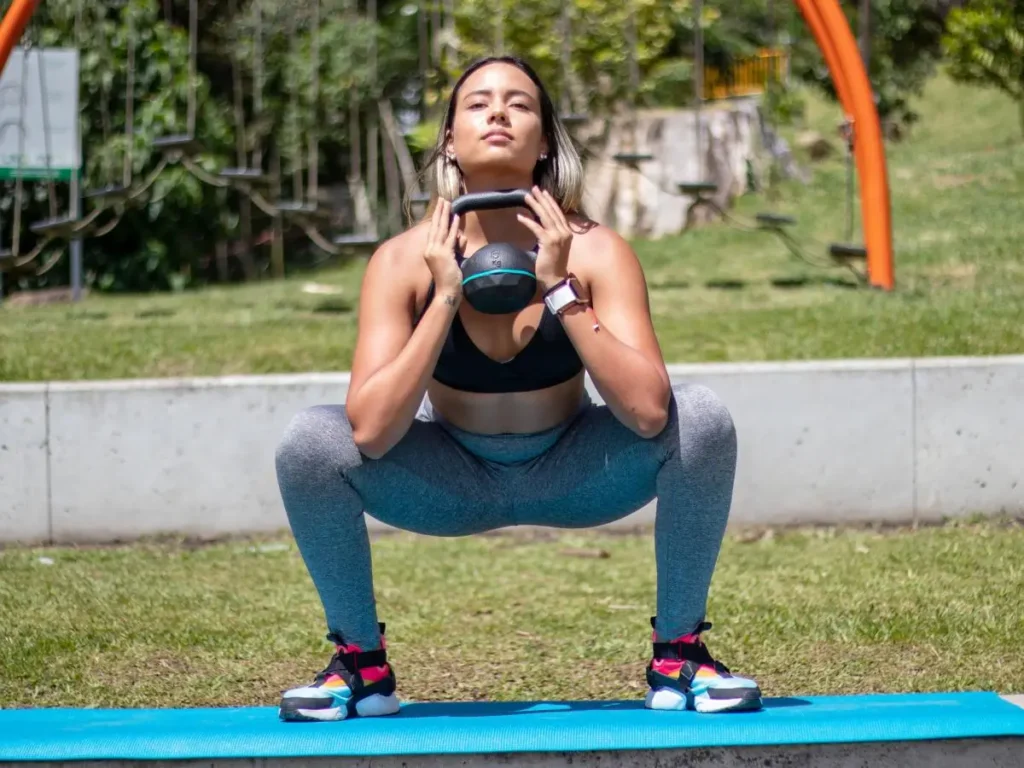
GOBLET SQUAT
How to Perform:
- Hold kettlebell at chest height, elbows down
- Feet shoulder-width, toes slightly out
- Lower as if sitting in a chair, chest up
- Descend until thighs parallel
- Drive through heels to stand
Sets/Reps: 3 sets × 10-12 reps
Key Benefits: Builds powerful legs, strengthens core, improves ankle and hip mobility
KETTLEBELL SWING
How to Perform:
- Kettlebell on floor, feet hip-width
- Hinge at hips, grip kettlebell
- Hike kettlebell back between legs
- Explosively drive hips forward
- Swing kettlebell to shoulder height
- Let momentum carry—arms are ropes
Sets/Reps: 3-5 sets × 15-20 reps
Critical: This is HIP movement, not arms. Power comes from explosive hip snap.

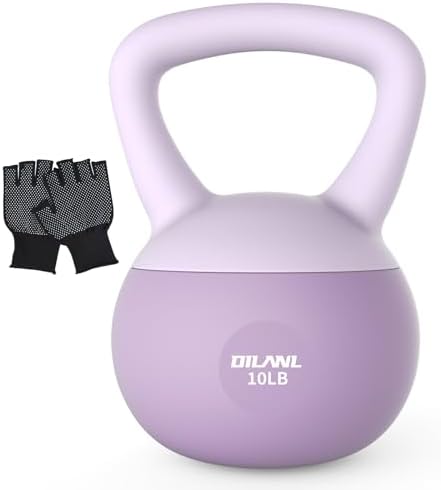
Our Top Kettlebells for Swings

PUSH-UPS
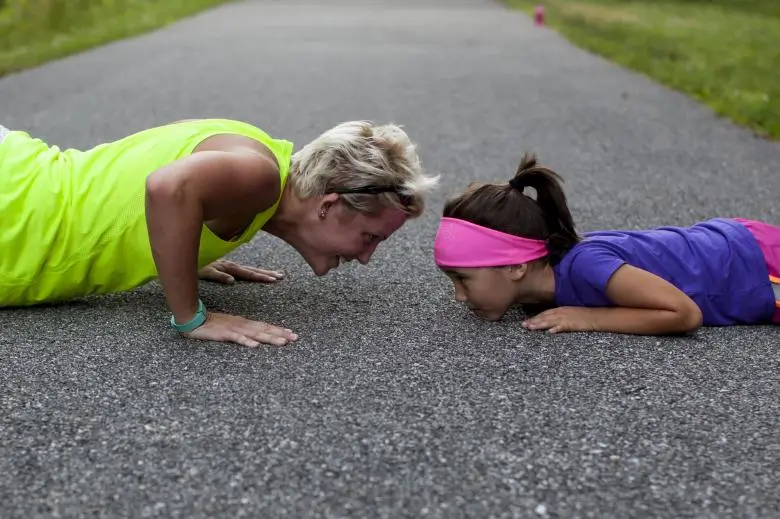
Standard Push-Up:
- Hands slightly wider than shoulders
- Body in straight line
- Lower chest to floor, elbows 45°
- Press back explosively
Sets/Reps: 3 sets × 8-15 reps
Progressions:
Easier: Hands elevated on bench
Harder: Feet elevated or resistance band across back
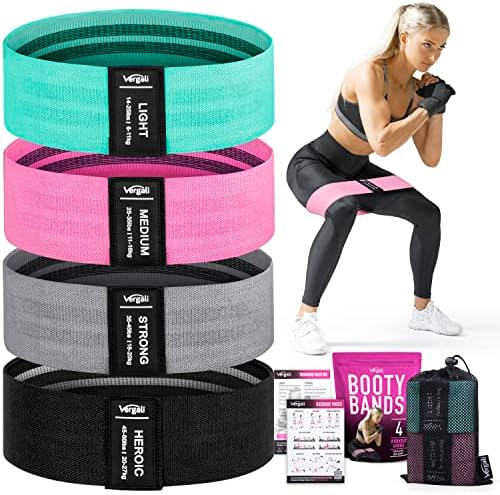
RESISTANCE BAND ROWS
How to Perform:
- Anchor band at chest height
- Hold handles, step back for tension
- Pull handles to sides of ribcage
- Squeeze shoulder blades together
- Slow return to start
Sets/Reps: 3 sets × 12-15 reps
Why It Matters: Most people are push-dominant. Rows fix posture and prevent shoulder injuries.



PLANK VARIATIONS

Standard Plank:
- Forearms on ground, body straight
- Squeeze glutes, brace core
- Lower chest to floor, elbows 45°
Hold: 3 sets × 30-60 seconds
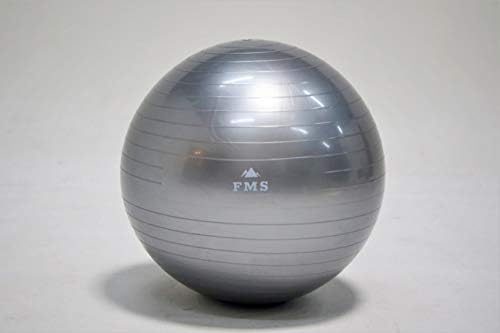
Progression: Stability Ball Plank Forearms on ball forces deeper core activation


Your 12-Week Functional Fitness Progression
This carefully structured advanced functional fitness program builds movement quality first, then adds intensity. Each phase has a specific goal.
Frequency: 3-4 workouts per week
Duration: 30-45 minutes per session
Rest: At least one day between workouts
Phase 1 (Weeks 1-4): Foundation
Goal: Master movement patterns, build core stability, and create a solid base.
WORKOUT A – Full Body (Focus: Squat & Push)
- Goblet Squat: 3 × 10-12, 90s rest
- Push-Up (use incline on a bench if needed): 3 × 8-10, 90s rest
- Plank: 3 × 30-45 second hold, 60s rest
- Resistance Band Rows: 3 × 12-15, 90s rest
WORKOUT B – Full Body (Focus: Hinge & Pull)
- Kettlebell Deadlift (focus on form): 3 × 10, 90s rest
- Kettlebell Swing (practice the “hip snap”): 3 × 15, 90s rest
- Resistance Band Rows: 3 × 12-15, 90s rest
- Side Plank: 3 × 20-30s/side, 45s rest
WORKOUT C (Optional) – Full Body Mix
- Goblet Squat: 3 × 10-12, 90s rest
- Push-Up: 3 × 8-10, 90s rest
- Kettlebell Swing: 3 × 15, 90s rest
- Plank: 3 × 30-45 second hold, 60s rest
Focus: Form is 100% of the goal. Do not rush. Rest as needed. The reps are a target, not a requirement.
Phase 2 (Weeks 5-8): Development
Goal: Increase volume, introduce unilateral work.
WORKOUT A – Lower Body
- Goblet Squat: 4 × 12-15, 60s rest
- Bulgarian Split Squat: 3 × 8-10/leg, 60s rest
- Kettlebell Swing: 3 × 15-20, 75s rest
- Single-Leg Deadlift: 3 × 8/leg, 60s rest
- Stability Ball Plank: 3 × 45-60s
WORKOUT B – Upper Body
- Push-Up: 4 × 10-15, 60s rest
- Resistance Band Row: 4 × 15, 60s rest
- Single-Arm Overhead Press: 3 × 8/arm, 60s rest
- Side Plank: 3 × 30s/side, 45s rest
WORKOUT C – Power & Conditioning
- Kettlebell Swing: 5 × 20, 90s rest
- Goblet Squat: 3 × 12, 45s rest
- Push-Up: 3 × 12, 45s rest
- Farmer’s Carry: 3 × 40 yards, 60s rest
Focus: Maintain form as volume increases. Single-leg work will feel challenging—that’s normal.
Phase 3 (Weeks 9-12): Intensity
Goal: Peak strength, power development, and metabolic conditioning.
WORKOUT A – Strength
- Goblet Squat (Heavy): 5 × 6-8, 90s rest
- Bulgarian Split Squat: 4 × 6-8/leg, 75s rest
- Single-Leg Deadlift: 4 × 6-8/leg, 75s rest
- Finisher: 10-min EMOM (Every Minute On the Minute)
- 10 Kettlebell Swings
WORKOUT B – Upper Body & Core
- Resistance Band Push-Up (or weighted): 4 × 8-12, 75s rest
- Heavy Band Row: 4 × 10-12, 75s rest
- Single-Arm Overhead Press: 4 × 6-8/arm, 75s rest
- Stability Ball Plank (with “stirs”): 3 x 45-60s, 60s rest
WORKOUT C – Metabolic Conditioning
Circuit (4-5 rounds):
- 1. Kettlebell Swing × 20
- 2. Goblet Squat × 12
- 3. Push-Up × 10
- 4. Band Row × 15
- 5. Plank (hold) x 30s
- Rest 90-120s between rounds
Focus: Loads should be challenging. Recovery between sessions is critical. Listen to your body.
Recovery: The Missing Half of Your Training
Training breaks your body down. For an advanced functional fitness program, recovery builds it back up—stronger and more resilient.
THE RECOVERY ESSENTIALS:
1. Sleep: The Non-Negotiable
- Target: 7-9 hours per night
- Sleep is when your body releases growth hormone and repairs tissue. One bad night tanks performance by 20-30%.
Optimize:
- Same bedtime daily (even weekends)
- Room temperature 65-68°F
- Complete darkness
- No screens 60 min before bed
2. Nutrition Protein priority
- 0.7-1g per pound bodyweight daily
- Post-workout: Protein + carbs within 2 hours
- Hydration: Half your bodyweight in ounces daily
3. Mobility Work (5-10 min daily)
- Hip Flexor Stretch: 60s/side
- 90/90 Hip Stretch: 60s/side
- Thoracic Rotation: 10 reps/side
- Shoulder Dislocates: 10 reps
4. Deload Weeks
- Every 4-6 weeks: Reduce volume by 40-50%, keep frequency, lighter loads. You’ll come back stronger.
✅ Daily Recovery Checklist
- ☐ 7-9 hours sleep
- ☐ 0.7-1g protein/lb bodyweight
- ☐ 10-min mobility work
- ☐ Adequate hydration
- ☐ Active recovery movement
Frequently Asked Questions
Ready to Build Strength That Actually Matters?
You now have everything: the science, the exercises, the full 12-week advanced functional fitness program, and recovery strategies. The only thing missing is action.
Your next step: Get the essential equipment and start Week 1, Workout A tomorrow.